Katy Forrester
Unabomber Ted Kaczynski’s sister-in-law dies as husband pays tribute to courageous wife who urged FBI tip
THE woman whose intuition helped bring Unabomber Ted Kaczynski to justice and end his 17-year reign of terror has died.
30 Sep 2026
Linda Patrik, who persuaded her husband, the Unabomber’s brother David Kaczynski, to investigate after she first suspected her brother-in-law could be the notorious terrorist, died on February 2 after a brief battle with ovarian cancer.
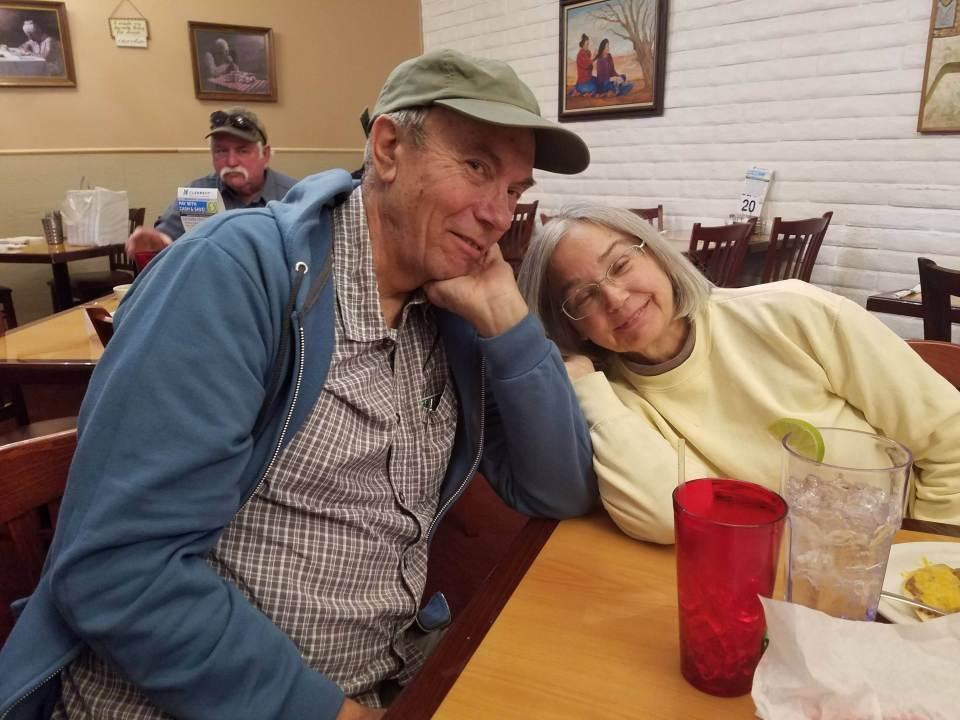
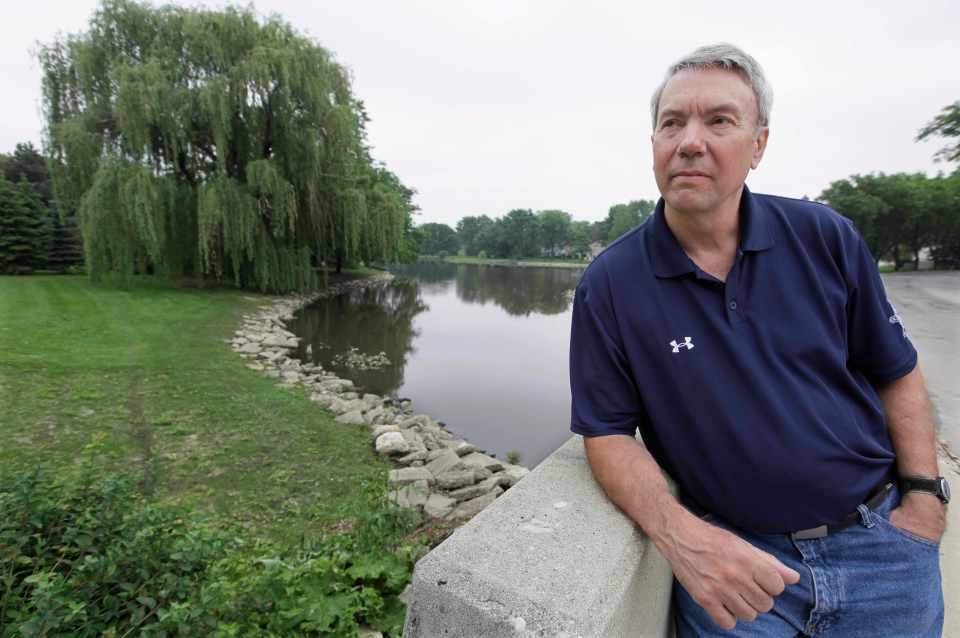
David, 76, described his wife as a “deeply spiritual person with a great capacity for empathy” after a 65-year bond that began when they met as schoolchildren and eventually turned to love later in life.
They were married for 36 years before her death.
In a moving written tribute shared exclusively with The U.S. Sun, he said Linda was “the person most responsible for ending the Unabomber’s reign of violence and for saving lives in the process.”
He added that despite receiving “small credit” for her critical role, Linda’s “insight, compassion, and gentle diligence” guided him through the agonizing decision over whether to turn in his own brother.
“People say, ‘David, you made this very painful, ethical decision,” he said.
“Typically the decision has been attributed to me, but it was actually founded in a process of us.”
News of her death comes as Ted’s descent from gifted Harvard student to notorious serial bomber is revisited in Netflix’s new movie Unabomber.
The film stars Jacob Tremblay as a young Ted, Russell Crowe as Harvard psychologist Henry Murray and Shailene Woodley as fictional FBI agent Joanne Miller.
But behind the Hollywood retelling is the remarkable story of Linda, a philosophy professor who had never even met Ted but whose instincts helped unravel a case that had baffled authorities for years.
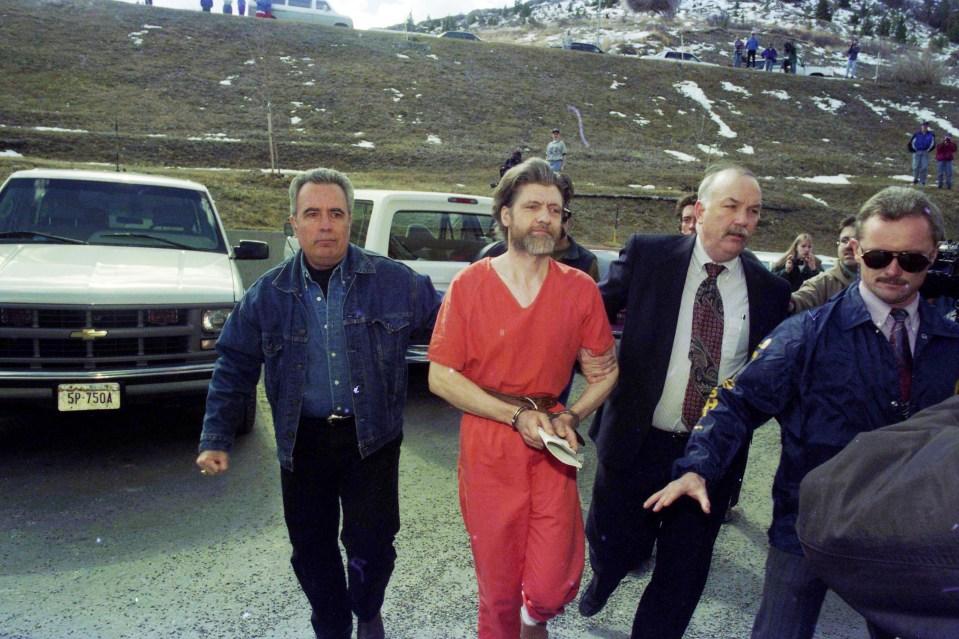
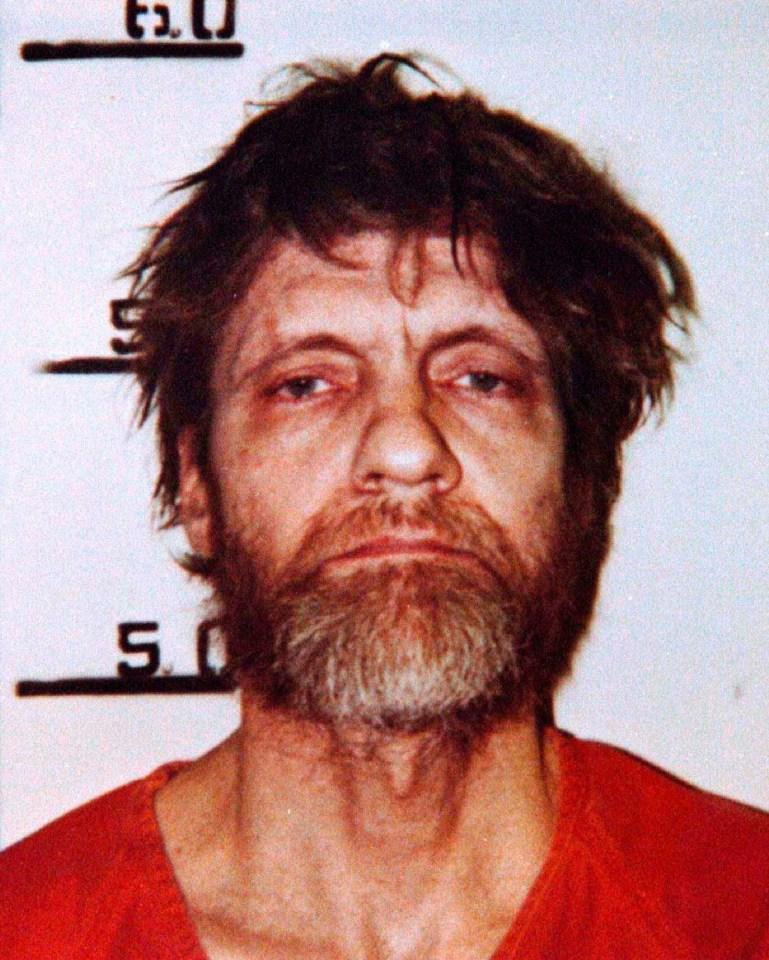
Ted terrorized America by mailing and planting 16 bombs that killed three people and injured 23 between 1978 and 1995.
The Harvard-educated mathematician targeted people linked to universities, airlines and technology while living as a recluse in a tiny cabin without electricity or running water in the Montana wilderness.
His identity remained a mystery, until the publication of his sprawling anti-technology manifesto in 1995 provided Linda and David with the crucial clues that led them to suspect Ted.
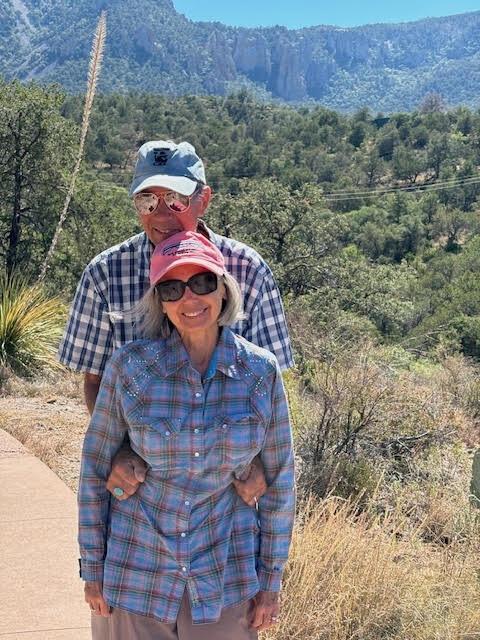
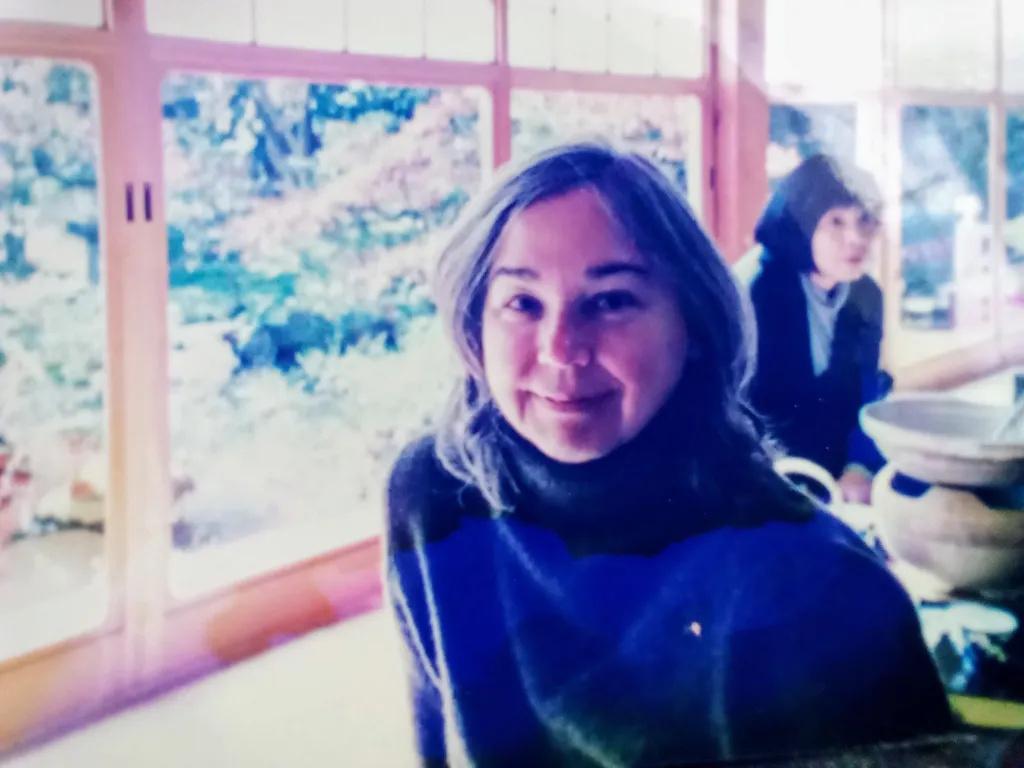
David told The U.S. Sun he believes he may have remained “deep in denial” if his “soulmate” Linda hadn’t encouraged him to look at the similarities and ultimately tip off the feds.
“I think it was without Linda’s persistence, her intuition that this could be my brother, that this was a serious moral issue,” he said.
“I probably would have easily just stuck it in the drawer and slipped into denial. Who wants to face something that awful unless you really have to?”
“We were in this together.”
Linda knew about her husband’s estranged older brother through David’s stories and Ted’s angry, ranting letters, which a psychiatrist believed suggested he was mentally ill.
Her suspicions were first raised in Paris in 1995, when reports about the still-unidentified Unabomber reminded her of Ted’s fierce opposition to technology and the views expressed in his earlier writings.
David recalled her reasoning: “She’s thinking he’s angry, he’s mentally ill, he’s against technology. Could he be the Unabomber?”
He was initially dismissive, but when the 35,000-word manifesto was published in The Washington Post, Linda urged him to read it and compare it with his brother’s writings.
“I thought I would read it and tell her, ‘Look, I know Ted’s writing. I know how he thinks. This isn’t him,'” David recalled.
“And instead, oh my gosh, you know?”
As they compared the manifesto with more than 100 letters from Ted that David had saved, it became clear he had a life-changing decision to make.
One morning David said he woke believing the situation had been a bad dream, before realizing: “It’s not a nightmare. I’m really seriously considering the possibility that my brother is a serial murderer.”
Soon afterward, sitting across from Linda at their breakfast table, he admitted he believed there was a “50-50 chance” Ted was the Unabomber.
The couple faced an agonizing choice: remain silent and risk another innocent person being killed, or alert authorities knowing David’s brother could face the death penalty.
“If we do nothing and some other innocent person is killed, and it turns out Ted is responsible, we go through the rest of our lives with blood on our hands,” David recalled.
But he also feared, “What would it be like if I turned my brother in? I had my brother’s blood on my hands. How could I live with myself then?”
Overwhelmed, David asked Linda if they could stop discussing Ted for two weeks, hoping some answer to what he called their “awful, impossible dilemma” would come to him.
Linda agreed, but quietly continued searching for a way to establish whether their suspicions were right, contacting a childhood friend and exploring whether experts could compare Ted’s letters with the manifesto.
The couple eventually received an assessment that there was a 60 percent chance the writings came from the same person and took their suspicions to authorities, leading investigators to Ted, who was arrested at his Montana cabin on April 3, 1996.
After his arrest, David and Linda fought to save Ted from the death penalty, with David saying it became their “number one mission.”
Ted ultimately avoided execution, pleading guilty in 1998 and receiving life without parole.
He died by suicide in federal custody in 2023 at the age of 81.
David and Linda would eventually receive the $1 million reward offered for information leading to the Unabomber’s capture, but had no idea about it when they decided to come forward.
“We didn’t know about the reward before contacting attorney Tony Bisceglie,” David said.
“My first reaction when he told me was: ‘Give the money to the victims!’ Linda agreed 100%. No discussion needed.”
“We weren’t going to profit by turning in a loved one.”
Yet David believes Linda never received the recognition she deserved, telling The U.S. Sun she was “really the key player” with “the insight, and the courage, and the skill to help me see the truth here.”
After Martin Luther King Jr.’s assassination in 1968, Linda joined white college students working alongside Black civil rights activists in Cleveland, according to David, and later became an outspoken feminist.
She earned a PhD in philosophy from Northwestern University and spent 35 years teaching at Union College, while also teaching Buddhist philosophy and debate for 20 summers at the Nitartha Institute.
Linda and David had known each other since seventh grade, when he remembers her choosing him as her lab partner in an advanced chemistry class, and their decades-long friendship eventually turned to love before they married in 1990 at the age of 40.
Looking back at how their lives eventually intertwined, David joked: “That’s when I learned what chemistry was all about.”
The couple shared a love of art, philosophy and Buddhism, and although they never had children, they built a rich life together surrounded by close friends and the family.
They eventually worked together as co-directors of Karma Triyana Dharmachakra, a Tibetan Buddhist monastery in Woodstock, New York, before retiring to David’s beloved West Texas desert in 2015.
Around four years before her death, Linda was diagnosed with Alzheimer’s, and as words increasingly escaped her, David said the qualities that had defined his wife remained unmistakable.
“Her touch, her presence, her smile were just as powerful as ever, if not more powerful,” he said.
Her final illness came with devastating speed, with increasing discomfort leading to an ovarian cancer diagnosis and doctors telling David they may have just “a week or two” together rather than the “month or two” he had hoped for.
“And four days later, she was gone,” he said.
The couple shared what David called “really wonderful days together” before he lost the love of his life.
On February 1, the day before Linda died, they attended a Methodist church where David told the congregation about her diagnosis and worshippers gathered around her to pray.
“It was very moving,” he recalled.
Afterwards, they went to one of their favorite restaurants, where David said Linda had a “good appetite” despite having struggled to eat in the days before.
They returned home and spent their final evening together watching movies, with David still unaware how little time they had left.
“I just had no indication that this would happen so quickly,” he said.
Linda died in the early hours of the following morning, just four days after her cancer diagnosis.
David has now poured his grief into a collection of poems dedicated to Linda, writing, “Certainly, the best of my life — my time with Linda — has ended, though her spirit and influence will follow me till I die.”