Steve Bayless
Vanishing Wildlife Make Way for Grass
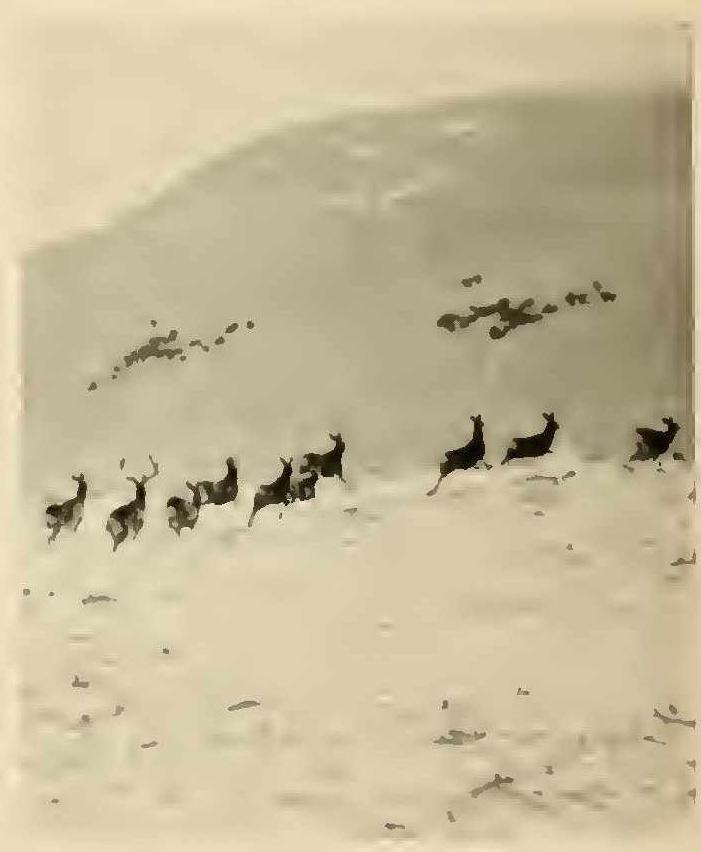
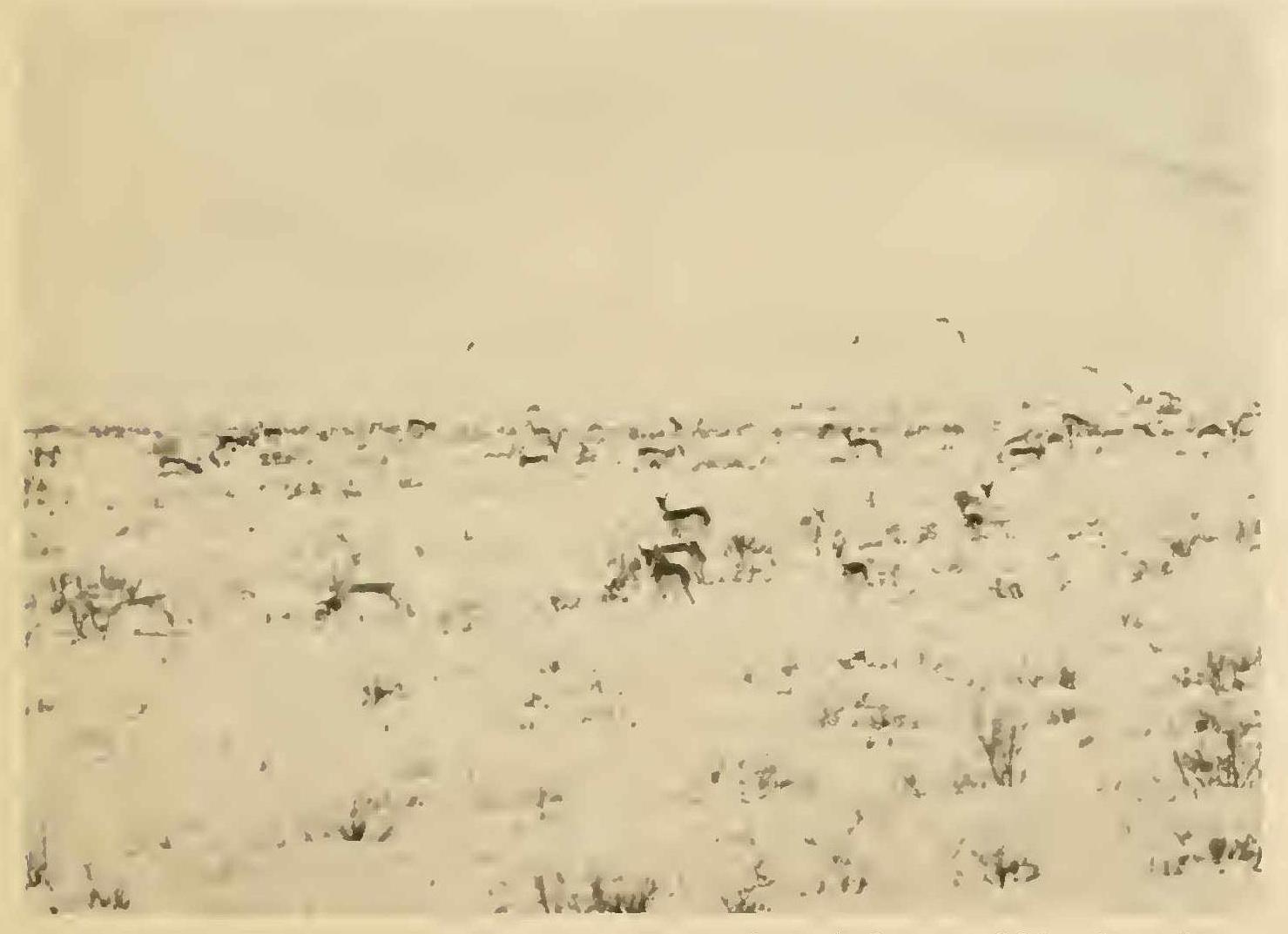
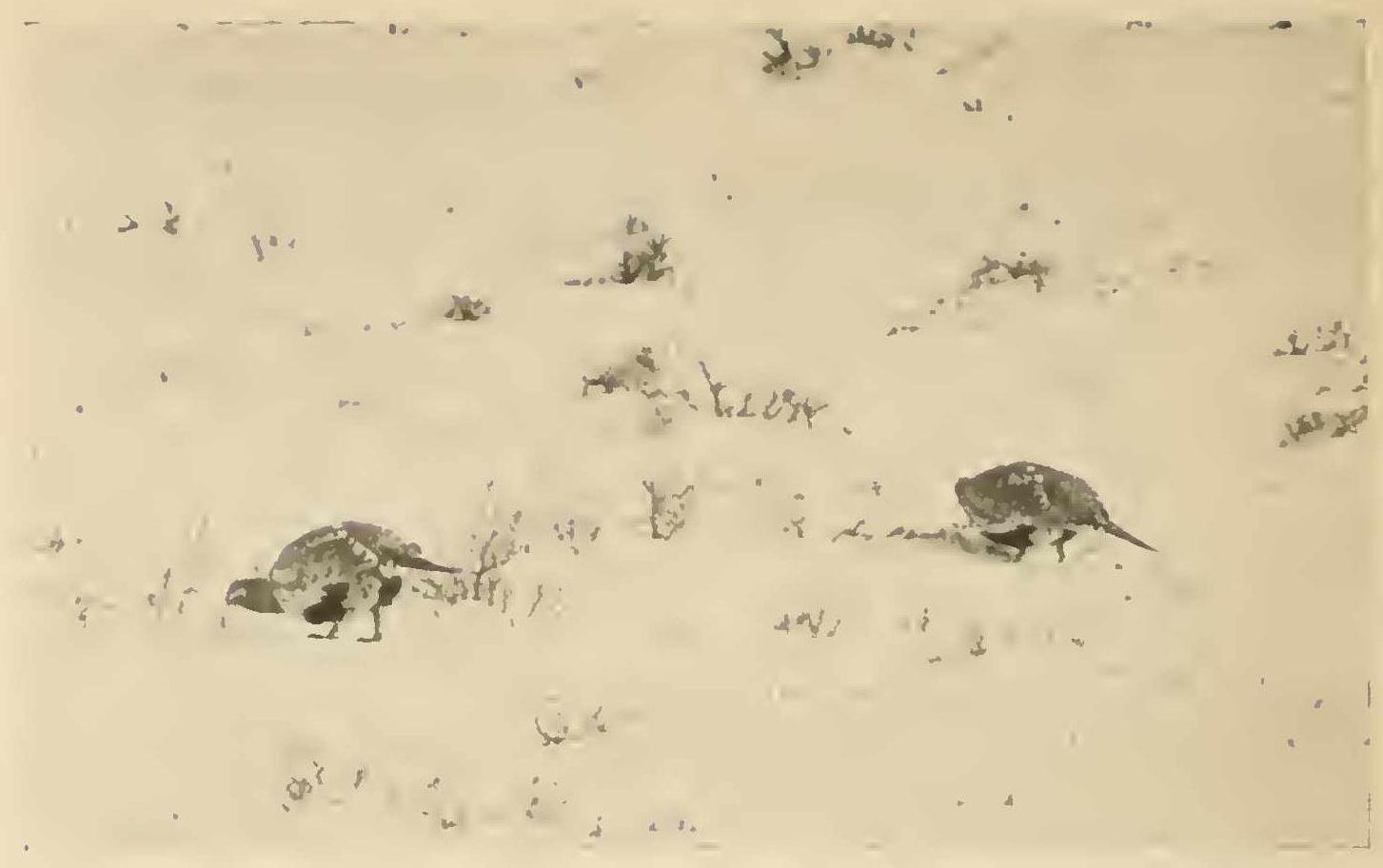
The Missouri River Breaks in south Blaine county have long been known for their wild, remote beauty and for fine mule deer, sage grouse and other wildlife. In fact, this area with its many acres of public lands is considered by many as a sportsmens’ paradise. Its high value for antelope, mule deer and sage grouse has been unquestioned, but the game is “getting the boot.” They are getting the boot because man is changing the environment so it is no longer suitable for many kinds of wildlife.
A primary interest of any fish and game department, in sustaining healthy game and fish, is the preservation of a suitable environment in which these animals may live. In man’s haste to shape environmental features to his liking, it is often made unsuitable for fish and wildlife, especially for the native species that most of us like to have around. Opposition to many kinds of wildlife habitat destruction has been growing and, when organized, can successfully slow down or mitigate damage to the natural environment. A good example is Montana’s Stream Preservation Law, a law which is helping to maintain the physical features of streams that are desirable for fish, especially trout. There are, however, many other often single purpose programs which destroy wildlife habitat and defeat the multiple use concept on public domain lands. One such program is the eradication of great expanses of sagebrush on public lands, and that is the point of this article.
The Missouri River Breaks remain much today as when first described by Lewis and Clark during their epic journey in 1804. But very gradually a change is taking place. The change first affects distinctive plant life of the breaks—a vast pine-sagebrush complex that stretches for miles and miles over the intricately chiseled landscape. But with certainty, as the vegetation is changed, there is a change in animal life, for animal life is inescapably tied to distinct kinds and qualities of vegetation.
In a three-year study of mule deer and elk in the Missouri River Breaks, it was found that big sagebrush was the single most important food plant for mule deer during the summer and fall. Also, mu- lies made extensive use of sagebrush up to one-half mile away from the edge of the Ponderosa Pine belt that extends through the breaks. Many other Montana studies have established the dependence of game and non-game animals and birds on sagebrush and sagebrush-associated plants.
Sagebrush is sprayed, or otherwise destroyed for one purpose— the production of more grass to feed more livestock. During 1965, the Fish and Game Department became alarmed over the momentum that sage-spray projects were gaining. Certain criteria for investigation of sage destruction projects were developed. These stated that “important wildlife habitat located within or as a part of a sagebrush control project should not be sprayed (or treated) by an agency unless it could be demonstrated that the treatment was not detrimental to wildlife.” Other state game departments have also expressed their concern and opposed destruction of sagebrush on public lands. The Western Association of State Fish and Game Commissioners has issued guidelines for the preservation of sagebrush habitat. These guidelines are backed by meticulously collected information — information which show’s without a doubt that the life requirements of such game as antelope, sage grouse and in many areas mule deer, and other non-game species are tied by a life and death bond to sagebrush environment.
In an effort to learn more about the total effects of sagebrush destruction, a research project area was initiated near Winnett in central Montana. This is a cooperative study financed by department and Bureau of Land Management funds. Fish and game personnel were contracted to carry out this important research. It now appears. however, that considerable sagebrush eradication will not await the results of the study. The spraying, burning, rotobeating, and other sagebrush destruction methods continue, and the requirement of wildlife is not considered in most projects. The loss of wildlife habitat continues. Ironically, much of it is habitat identified as important for wildlife.
During 1965, the BLM sprayed for sagebrush eradication, approximately 1,000 acres of pine- sagebrush range in the Missouri Breaks at the head of Right Coulee, even though this area contained some of the most important mule deer habitat in the Malta district. The area was block sprayed and the all-important “edge” or junction between sagebrush and pine w a s destroyed along with the abundant forbs, or flowering plants, that are so important to mule deer, sage grouse and antelope as food during the spring and summer. The following year, spray planes spewed herbicides for “range improvement” over another 4,000 acres of prime wildlife habitat along both sides of Bullwhacker’s Coulee.
In 1967, the sprayers again visited the Breaks, this time leaving over 4,000 acres of dead or dying sagebrush at the head of Bullwhackers Coulee. This past year, the latest efforts destroyed another 4,000 acres, and the same is scheduled for 1969, 1970 and 1971. Unless there is a change in the philosophy soon, the outlook for sagebrush and game animals in the Missouri Breaks is bleak. This loss can be ill-afforded by sportsmen. recreationists, and others interested in the future of outdoor enjoyment.
“Improvements” in the Breaks are not restricted to BLM administered lands. The Soil Conservation Service has recommended similar projects on certain private lands where the cost-sharing program provides that the federal government pays 80 percent of the cost and the private landowner 20 percent Although the acreage of the SCS sponsored program was not determined, it is expected that the additional area involved approaches that treated so far by the BLM, and that some state lands are also involved. The Fish and Game Department is notified to investigate effects on wildlife of pending BLM sagebrush treatment projects, but not so with SCS projects.
Anyone who has seen first-hand the results of a sage eradication project will not dispute the fact that the result is, in fact, more grass. But in some of the treated areas in the Breaks, an approved management plan did not exist at the time of treatment, and cattle use was not properly managed, either before or after spraying. To confound the practice, sagebrush plants are reappearing on treated lands. This certainly leaves a question as to the long range value of fighting nature. Sagebrush is a natural occurring plant in the Breaks because soil, climate, and moisture conditions are right for its development. Whether or not sagebrush was as dense before the a d v e n t of livestock grazing is a matter of conjecture. It’s known that sagebrush and other “undesirable” plants, from livestock operators’ point of view, increase with heavy livestock grazing. Would proper stocking and grazing of public ranges by domestic livestock alleviate the need to spend large sums of public monies for future poisoning of sagebrush?
Fish and Game workers support proper management of public lands. There is certainly room for more use on these lands, and multiple use management can become a reality if given a chance. But there is a serious question in present management attitudes, actions, and policies in certain public land management policies. The general public, and specifically the outdoor interests have been largely apathetic, even though they help foot the bill that whittles away at game habitat. These interests must demand a fan- shake for wildlife on public lands and management that will embrace all beneficial uses.